Problems are easy to notice after they happen. A machine goes down. A customer complains. A defect gets through inspection. A project misses a deadline. By then, the damage has already been done.
Root cause analysis, or RCA, is a structured way to figure out what happened, why it happened, and what needs to change so the same problem is less likely to happen again.
For a quick primer before you dive into the books, read Sologic’s guide: What is Root Cause Analysis?
The right RCA book can help you move beyond quick fixes, blame, and “we think this caused it” explanations. Whether you work in manufacturing, operations, quality, safety, healthcare, IT, or leadership, these books can help you build better problem-solving habits.
Root Cause Analysis: The Core of Problem Solving and Corrective Action by Duke Okes
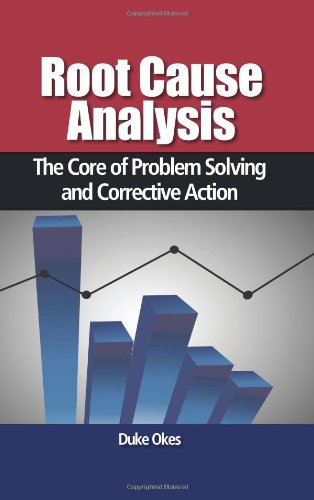 |
Duke Okes gives readers a practical way to think through problems instead of jumping straight to the first obvious answer. This is a strong pick if you want an RCA book that focuses on analysis, corrective action, and making better decisions from real evidence. View on Amazon |
Root Cause Analysis: A Step-By-Step Guide to Using the Right Tool at the Right Time by Matthew A. Barsalou
 |
Matthew A. Barsalou focuses on choosing the right RCA tool for the problem in front of you, which is more useful than forcing every issue through the same template. It is a helpful book for quality, manufacturing, and operations teams that want a more flexible problem-solving toolkit. |
Root Cause Analysis: Simplified Tools and Techniques by Bjorn Andersen and Tom Fagerhaug
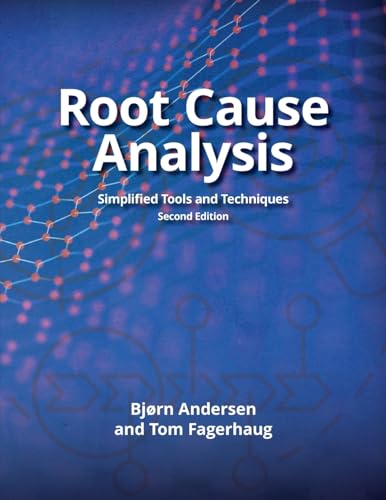 |
This book is useful if you want a broader set of RCA tools explained in a straightforward way. It is especially good for readers who like checklists, examples, and practical techniques they can bring into meetings or investigations. |
Root Cause Analysis Handbook: A Guide to Efficient and Effective Incident Investigation by ABS Consulting
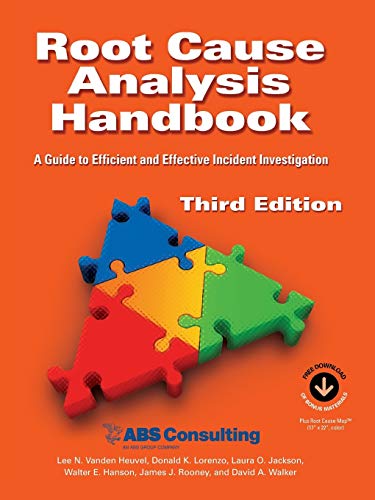 |
This handbook is built for people who deal with incidents, investigations, and risk reduction in real organizations. It is a more detailed resource for teams that need a structured way to identify, document, and reduce the causes of recurring problems. |
Root Cause Analysis: Improving Performance for Bottom-Line Results by Mark A. Latino, Robert J. Latino, and Kenneth C. Latino
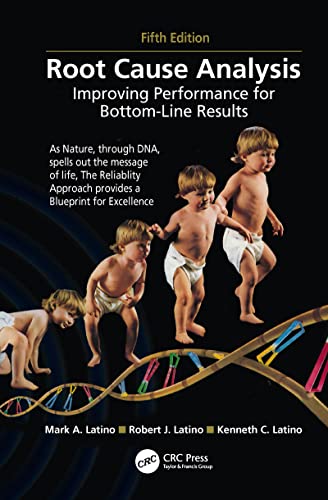 |
This book connects RCA to reliability, human factors, business performance, and long-term improvement. It is a good choice if you want to think about RCA as more than an investigation method and more like a performance system. |
Summing Up
Root cause analysis is not just about finding “the one thing” that went wrong. Most real problems have multiple causes, weak controls, unclear handoffs, and conditions that made the outcome possible.
These books are a good starting point if you want to get better at solving problems instead of just reacting to them. Start with one that matches your role, then put the ideas to work on a real issue. RCA is one of those skills that gets sharper when you actually use it.